
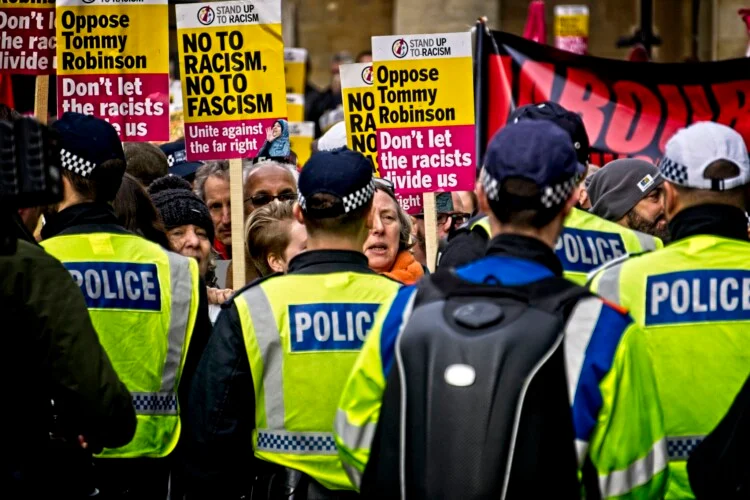
The Metropolitan police are finding it increasingly difficult to balance the rights of protesters with public safety, according to a senior officer.
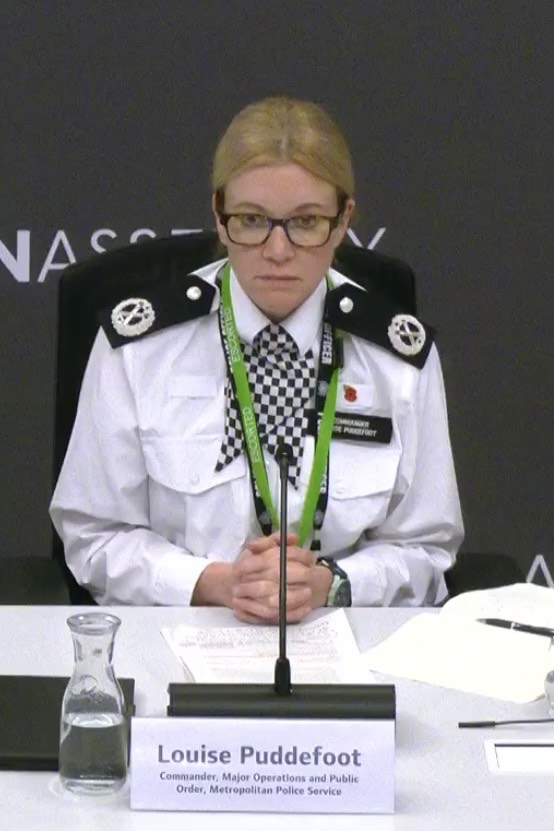
Speaking at this week’s Police & Crime Committee at the London Assembly, Temporary Commander Louise Pudefoot said: “It’s something that we grapple with every time we’re dealing with these protests.”
Her comments come in the wake of a particularly turbulent month in London, which saw a wave of high-profile demonstrations, including pro-Palestinian rallies, climate change protests, and marches focused on police custody deaths, as well as the UK’s summer riots.
“The pressure this year has been unprecedented,” Puddefoot acknowledged, emphasising the strain on the Metropolitan Police in balancing public safety with the fundamental right to protest. She explained, “The conflict has been particularly difficult due to its intensity, duration, and the corresponding frequency of protests and demonstrations.”
The surge in demonstrations continues to test police resources, making this one of the most demanding years for public order policing in recent memory.
Serious Disruption Prevention Orders (SDPOs) introduced under the Public Order Act 2023 have given police significant power to curb protests deemed “seriously disruptive.” Intended to prevent repeat offenders from returning to protest sites, SDPOs restrict individuals’ movements, associations, and even internet use if they have prior protest-related offences.
Puddefoot highlighted that the goal is to prevent disruption to daily life in London, particularly as some protests have turned violent. However, civil liberties advocates argue that these measures risk silencing lawful activism and even routine public activities.
“These are far-reaching, draconian protest banning orders that risk a total ban on individuals’ rights to protest,” warned Jodie Beck, Policy and Campaigns Officer at Liberty, a leading civil rights organisation.
“We never know when we’ll need our right to protest,” Beck said, stressing the potential for a chilling effect on future activism. She also warned, “when the powers given to the police through excessive legislation are so vast and broad, it can lead to a culture of abuse and misuse.”
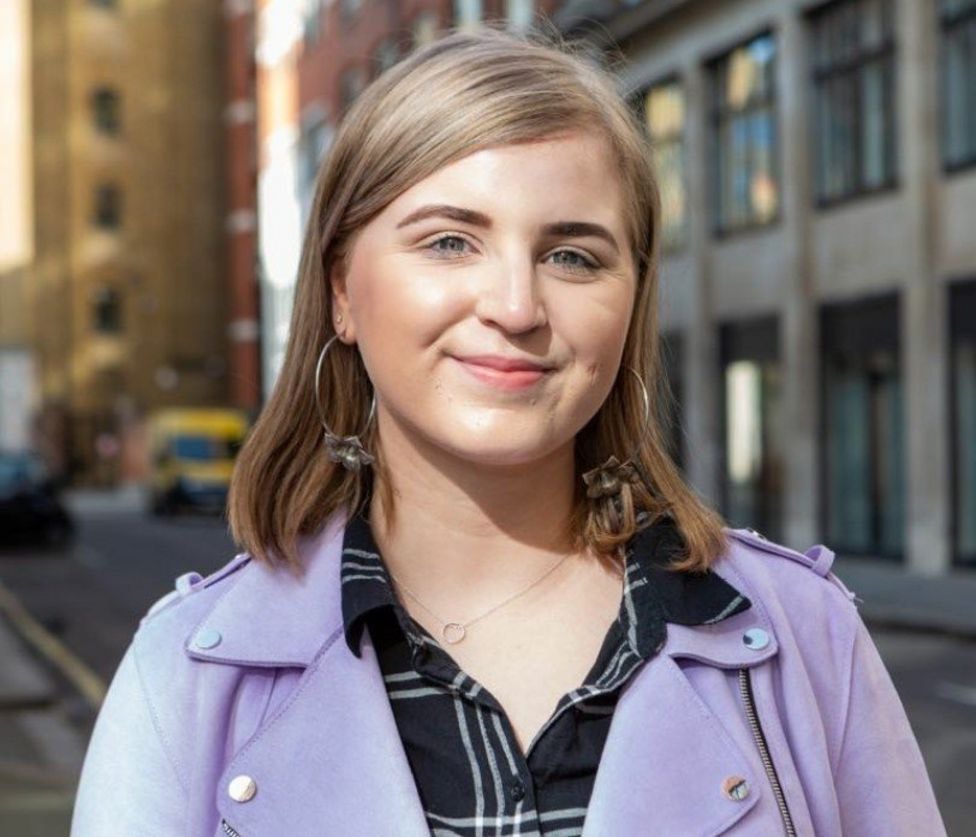
“Throughout history, people have come together to voice their concerns, and incredible change has happened,” Beck continued. “At present, the legislation goes beyond what could ever be needed. We urge the new Government to review the current state of protest rights, and to repeal the recent anti-protest legislation.”
Public sentiment is divided. Some Londoners, particularly those impacted by violent protests in urban centres, support the restrictions as necessary measures to prevent disruption. However, others fear these laws could restrict peaceful activism on critical issues like social justice and environmental policy.
While peaceful protest remains a cornerstone of democracy, the introduction of new legislation has sparked a fierce debate over the delicate balance between public safety and freedom of speech.
As concerns grow over the criminalisation of protests, a critical question arises: how can the nation ensure public order without compromising the basic democratic rights of its citizens?